How will they hear if nobody tells them?

How Will They Hear If Nobody Tells Them?
What about the person who has heard the name Jesus but has never had the gospel explained to them?
They might know Christianity exists. That doesn't mean they know what Christ has done for them.
You may want to reach people on Native American reservations or in Japan and wonder where you could even begin. We shouldn't assume what someone believes because of where they live.
The concern behind that desire matters: we want people to have a real opportunity to hear the gospel.
Paul, who wrote this passage in Romans, connects that opportunity to something we can participate in.
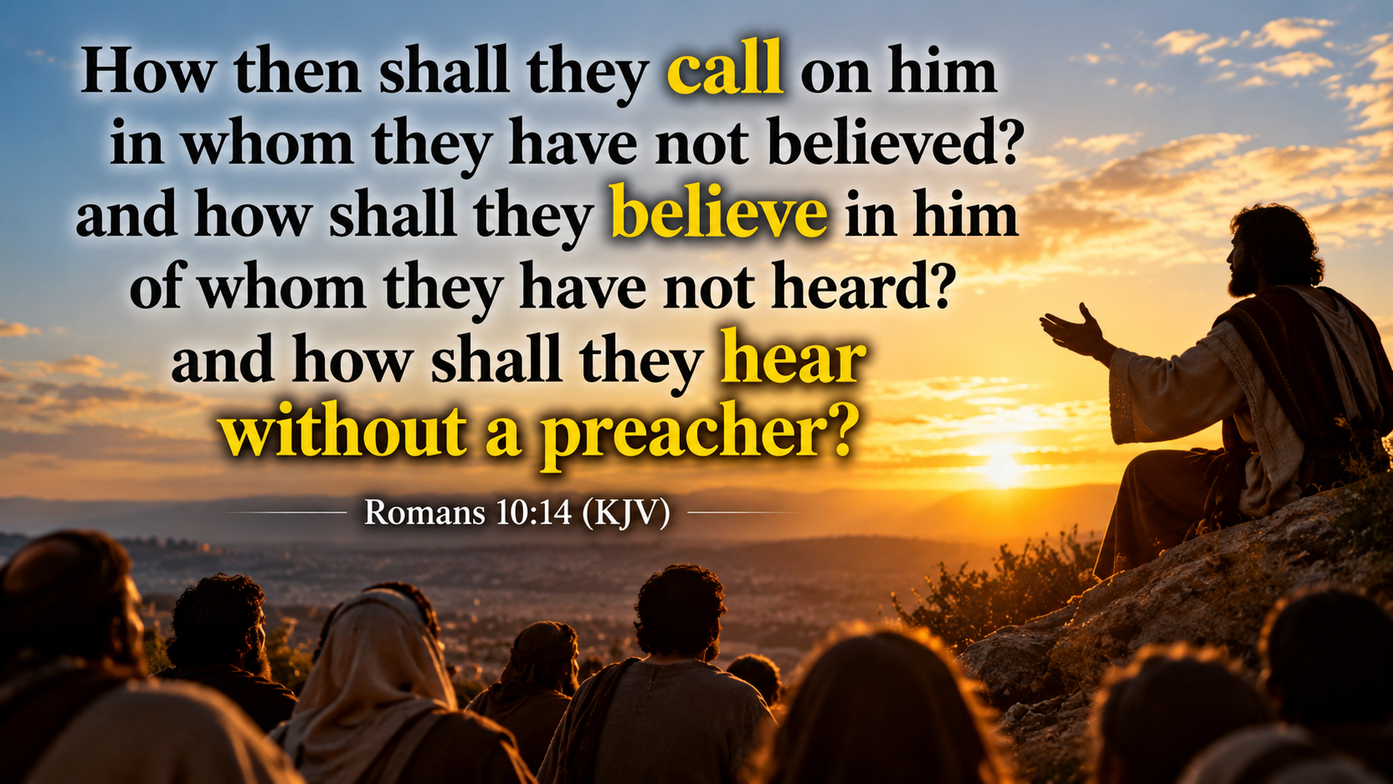
How can people call on someone they don't believe in? How can they believe in someone they haven't heard about?
Someone has to bring them the message. The next verse asks how those messengers will go unless they are sent.
The church has a part in helping the message reach people beyond those already gathered to hear it.
The gospel is the good news that Jesus Christ died for our sins and rose again. Our sin separates us from God, and becoming a better person cannot undo it.
Salvation rests on what He has done, and we receive it through faith in Him. We're inviting people to trust a Savior who can save them, rather than asking them to make themselves good enough for God.
Being kind matters, but kindness by itself doesn't explain the cross. Someone can appreciate how we treat them and still have no idea why Jesus came.
Love gives us a reason to explain the good news as well as live with care for the person hearing it.
"So then faith cometh by hearing, and hearing by the word of God."
Romans 10:17 (KJV)
That takes some pressure off how impressive we think we have to be. The person needs to hear about Jesus, and we can use ordinary words and take time with their questions.
Suppose someone asks, "Would I have to straighten out my whole life before God would accept me?" That question gives us a chance to explain why Jesus came.
If we could make ourselves right with God, we wouldn't need a Savior. Jesus is the reason we can come to God now, with the very sin we cannot fix ourselves.
Explaining this faithfully doesn't mean we can make someone believe it. Paul acknowledges in the same passage that not everyone has obeyed the gospel.
We shouldn't promise a response that Scripture doesn't promise.
Leaving the response with God doesn't make telling unnecessary. God has chosen to bring His Word to people through messengers.
We share because someone who hasn't heard needs the opportunity to know who Jesus is and what He has done.
Take a Step Toward Someone Hearing
Start by practicing a plain explanation of the gospel. If you can say "Jesus saves" but struggle to explain what He saves us from or why His death and resurrection matter, ask your pastor to help you understand.
In a conversation, ask whether the person would like to hear what you believe about Jesus. Listen to their answer.
If they're willing, explain without rushing them toward a decision. You can admit when you don't know something and offer to look into it.
If your desire is to reach a particular community, ask your church about people already serving there and what help they need.
Learn before making plans. You don't have to promise a trip to begin helping the message reach someone.
PRAYER
Father God, thank You for saving us through Jesus and giving us good news to share.
Sometimes I think I need all the answers before I can begin.
Today I trust You to help me share what I understand and be honest about what I still need to learn.
Give me courage to begin a conversation and patience to listen.
Help us explain Your Word in words people can understand, and teach us to leave their response with You.
In Jesus' beautiful name we pray. Amen.