Why do some nonbelievers seem kinder than Christians?

Why Do Some Nonbelievers Seem Kinder Than Christians?
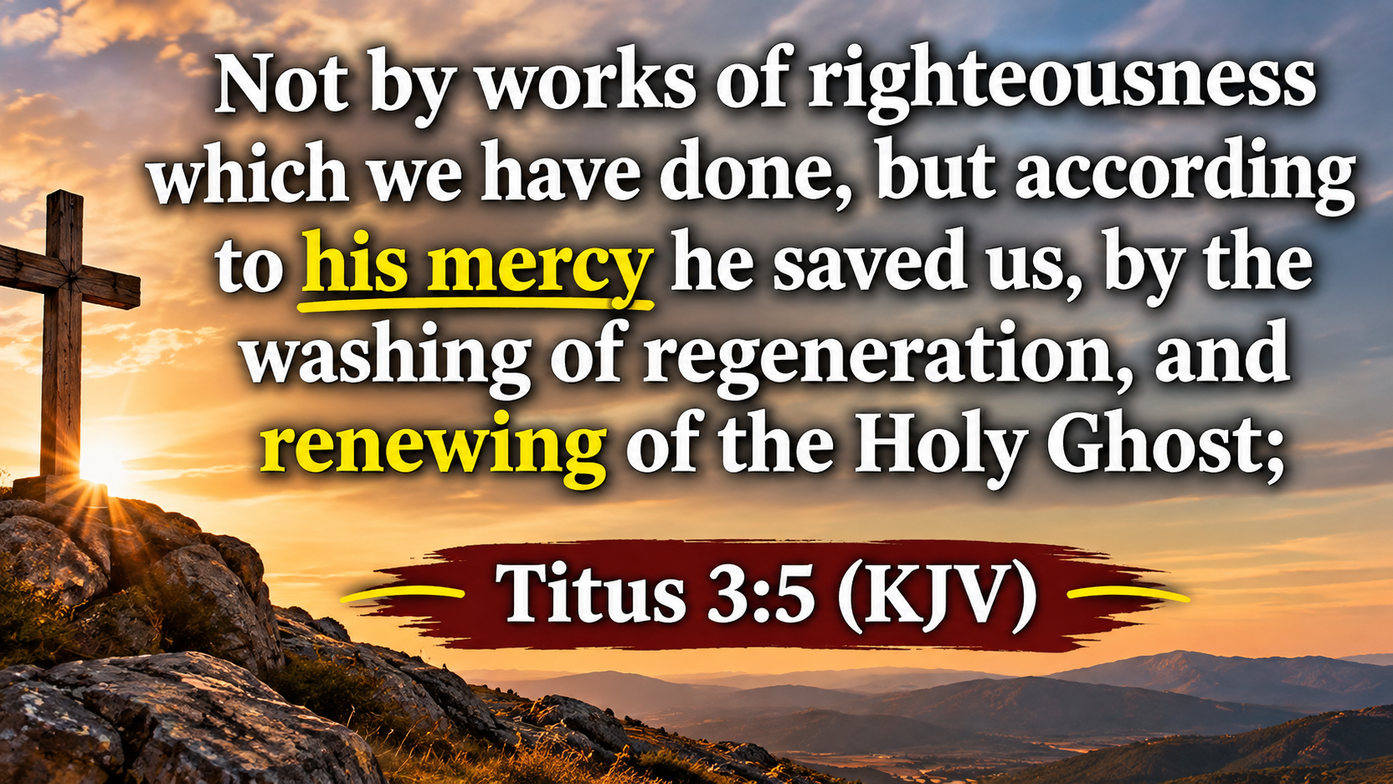
“Not by works of righteousness which we have done, but according to his mercy he saved us, by the washing of regeneration, and renewing of the Holy Ghost;”
Titus 3:5 (KJV)
Someone who doesn't believe in Jesus can treat people with more kindness than someone who calls themselves a Christian.
We don't need to deny that or find a reason their kindness doesn't count. Being a Christian doesn't excuse treating somebody badly.
When I was asked why this happens, my answer started with something we do more often than we realize: we forget how much mercy we've received.
We receive forgiveness, but later we start explaining our relationship with God by pointing to our prayers and obedience. We begin to think those things earned us our place with Him.
Then we look at somebody who doesn't believe and wonder, "Why can't they get their life together?"
We've started taking credit for what God gave us. Even the breath we use to pray comes from Him.
Without Jesus, we couldn't save ourselves, no matter how religious we became. Yet we can begin treating the person who doesn't know Him as though they're beneath us.
Paul addresses that attitude when he tells Titus to teach believers:
"To speak evil of no man, to be no brawlers, but gentle, shewing all meekness unto all men."
Titus 3:2 (KJV)
That includes the person who doesn't share our faith. We don't get to reserve gentleness for people who already believe what we believe.
Paul gives us a reason for that instruction. In the next verse, he reminds believers that we were also deceived and disobedient, living with envy and hatred.
He includes himself in that reminder because we need to remember our own condition before we look down on somebody else's.
Then the passage explains what changed us: God's kindness and love appeared, and He saved us according to His mercy.
Our good behavior didn't earn that rescue. Jesus died for our sins because we needed a Savior.
The washing and renewing in the opening verse describe God giving us new life through the Holy Spirit.
Paul goes on to say that God poured out His Spirit through Jesus Christ and made us right with Him by grace, giving us the hope of eternal life.
Our place with God is a gift we received from Him. How can we use that gift as proof that we're better than someone else?
If I believe I earned my place with God, I'll look at someone else's life and wonder why they haven't earned theirs.
When I remember that God had mercy on me, I have a reason to approach them with patience. I can listen to what they've been through without treating their struggle as evidence of my superiority.
A Christian can become unkind while still talking about forgiveness because they've forgotten their own need for it.
Remembering mercy brings us back to the kindness God showed us when we couldn't save ourselves. That kindness should be recognizable in how we treat someone who doesn't believe.
Think of the person you've been dismissing
Choose one person who doesn't share your faith whose opinions you've been brushing off. Before your next conversation, return to Titus 3:5 and remember that you didn't earn God's mercy.
Ask them a sincere question about what they believe or what they've experienced, and listen to understand their answer instead of preparing your correction while they speak.
If you've spoken down to them, name what you did and apologize without defending it. They don't have to agree with you for you to treat them with care.
PRAYER
Precious Lord,
Thank You for saving us according to Your mercy.
Forgive us for taking credit for Your goodness and looking down on people who don't believe in You.
Remind us how much we have received from You.
Help us listen with patience and admit when we've treated someone badly.
Let Your kindness shape the way we treat the person we've been dismissing.
In Jesus' wonderful name we pray. Amen.